

Pre-Remediation Treatment
Contain mold
before remediation.
Mold remediation disturbs colonies, releasing millions of spores. Our pre-treatment kills surface spores and creates a protective barrier—reducing spread, lowering remediation costs, and protecting unaffected areas.
We coordinate with your remediation contractor for optimal timing
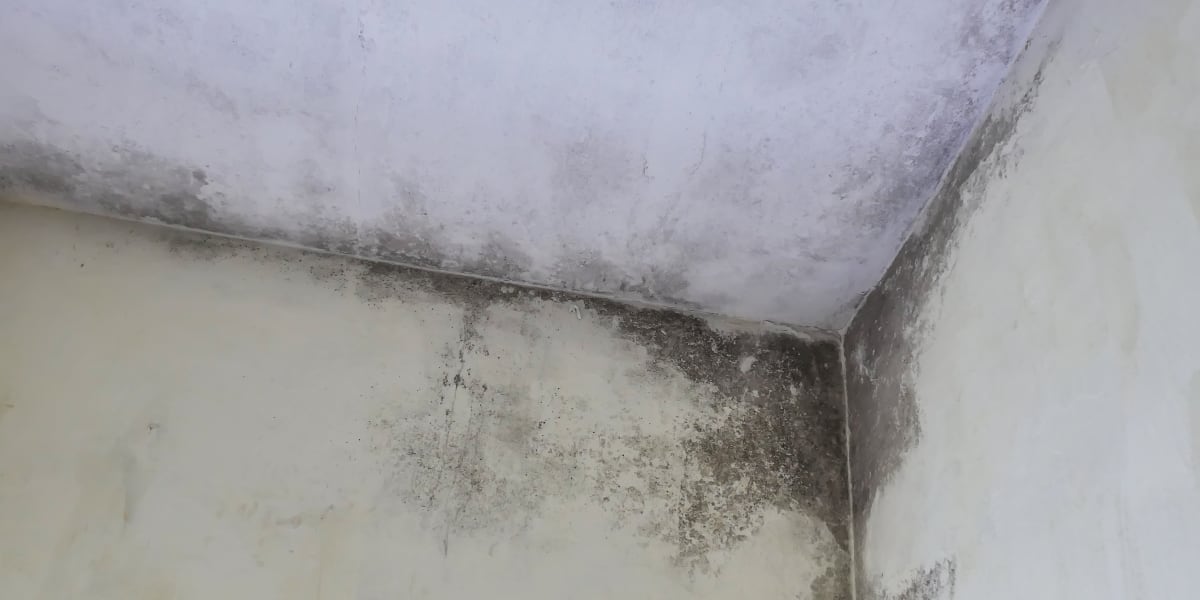
Why It Matters
Benefits of pre-remediation treatment
Pre-treatment isn't just an extra step—it's a critical containment measure that makes remediation safer, faster and more cost-effective.
Reduce Spore Spread
Mold remediation disturbs colonies, releasing millions of spores. Pre-treatment kills surface spores before they become airborne during demolition.
Protect Unaffected Areas
Pre-treatment creates an antimicrobial barrier on surrounding materials, preventing cross-contamination during the remediation process.
Lower Remediation Costs
By containing mold before remediation, you may reduce the scope of work needed. Less spread means less material removal and reconstruction.
Safer for Workers
Pre-treatment reduces airborne spore concentrations, creating a safer environment for remediation crews even with proper PPE.
Faster Re-Occupancy
Pre-treated spaces often pass post-remediation testing faster. Less residual contamination means quicker return to normal use.
Documentation for Insurance
Professional pre-treatment provides documentation that proper containment measures were taken—helpful for insurance claims.
When to Use
Scenarios that benefit from pre-treatment
Not every mold situation requires pre-treatment, but these scenarios benefit significantly from containment before remediation.
Before Demolition
Strongly RecommendedAny mold remediation involving material removal (drywall, insulation, flooring) should include pre-treatment to minimize spore release.
Large Affected Areas
Strongly RecommendedWhen mold covers more than 10 square feet, pre-treatment is especially important to contain the scope before disturbance.
HVAC-Connected Spaces
Strongly RecommendedIf the affected area connects to HVAC systems, pre-treatment prevents spores from spreading through ductwork during remediation.
Occupied Buildings
When remediation occurs in partially occupied homes or commercial buildings, pre-treatment protects unaffected areas and occupants.
Sensitive Environments
Schools, healthcare facilities, and homes with immunocompromised residents benefit from maximum containment measures.
Insurance Requirements
Some insurance policies or remediation protocols require documented pre-treatment as part of proper containment procedures.
Our Process
How pre-remediation treatment works
We coordinate with your remediation contractor for seamless timing and maximum effectiveness.
Coordination with Remediator
We work with your remediation contractor to schedule pre-treatment before their work begins. Timing is coordinated for maximum effectiveness.
Area Assessment
We assess the affected area and surrounding spaces to determine treatment zones. This includes areas that will be disturbed and buffer zones.
HOCl Application
EPA-registered hypochlorous acid is applied to all affected surfaces and surrounding areas. HOCl kills mold spores on contact without toxic residue.
Documentation
We provide detailed documentation of the pre-treatment for your records and insurance claims, including areas treated and products used.
Why HOCl
HOCl vs. traditional antimicrobials
Our hypochlorous acid technology offers significant advantages over traditional chemical treatments for pre-remediation applications.
For Remediation Companies
Partner with us for pre-treatment
Many remediation companies refer clients to us for pre-treatment. It makes your job safer, reduces callbacks, and demonstrates comprehensive service to your clients.
- Safer work environment for your crews
- Better post-remediation clearance rates
- Flexible scheduling to match your timeline
of partner remediators report improved clearance rates with pre-treatment
Related Services
Complete mold treatment solutions
Post-Water Damage
Emergency prevention treatment within 48 hours of water damage to stop mold before it starts.
Learn more →Antimicrobial Treatment
EPA-registered HOCl antimicrobial spray for ongoing mold protection and prevention.
Learn more →Mold Prevention
Proactive prevention for crawl spaces, basements and attics before problems occur.
Learn more →Trusted by Athens Homeowners
Real reviews from families we've helped
Angela T.
"Spray Squad has kept my yard Mosquito free for 3 years and I hope it will be 30 more. They always show up on time and even cover kids toys before spraying (even though it's a natural mixture). You can trust Spray Squad."
Justin H.
"After the first application the difference was night and day. We've spent more time outside than all the previous summers combined."
Haley S.
"This is the best all natural mosquito spray with great customer service! I get to enjoy my yard again!"
Joe Cozart
"Spray Squad is my number one mosquito treatment. One of my favorite things is knowing that it's safe for my family. With three young kids, that peace of mind is invaluable."
Angie P.
"We started with Spray Squad, and that helped tremendously. They were very attentive to our needs and worked with our schedule. Highly recommend!"
Ryan Worsley
"The products are safe for my family and the environment. The dramatic reduction in mosquitoes post-treatment allows for uninterrupted outdoor enjoyment."
April L.
"They do a great job spraying for mosquitoes and other flying pests in our yard!"
Ivey B.
"They get back with you so quickly and are very friendly and focused."
Ron R.
"Outstanding service every time. Professional, punctual and the results speak for themselves. Our backyard is finally usable again!"
Angela T.
"Spray Squad has kept my yard Mosquito free for 3 years and I hope it will be 30 more. They always show up on time and even cover kids toys before spraying (even though it's a natural mixture). You can trust Spray Squad."
Justin H.
"After the first application the difference was night and day. We've spent more time outside than all the previous summers combined."
Haley S.
"This is the best all natural mosquito spray with great customer service! I get to enjoy my yard again!"
Joe Cozart
"Spray Squad is my number one mosquito treatment. One of my favorite things is knowing that it's safe for my family. With three young kids, that peace of mind is invaluable."
Angie P.
"We started with Spray Squad, and that helped tremendously. They were very attentive to our needs and worked with our schedule. Highly recommend!"
Ryan Worsley
"The products are safe for my family and the environment. The dramatic reduction in mosquitoes post-treatment allows for uninterrupted outdoor enjoyment."
April L.
"They do a great job spraying for mosquitoes and other flying pests in our yard!"
Ivey B.
"They get back with you so quickly and are very friendly and focused."
Ron R.
"Outstanding service every time. Professional, punctual and the results speak for themselves. Our backyard is finally usable again!"
Common Questions
Pre-remediation treatment FAQs
What is pre-remediation spray treatment?
Pre-remediation spray is an antimicrobial treatment applied BEFORE mold remediation begins. It kills surface mold spores and creates a protective barrier, reducing the spread of spores when remediation contractors disturb mold colonies during demolition and removal.
Why not just let the remediation company handle everything?
Remediation companies focus on removal and reconstruction. Pre-treatment is a specialized containment step that reduces spore spread during their work. Many remediation companies welcome or even recommend pre-treatment because it makes their job safer and more effective. Some refer clients to us specifically for this service.
How soon before remediation should pre-treatment be done?
Ideally, pre-treatment should be done 24-48 hours before remediation begins, though same-day treatment is also effective. The key is treating BEFORE any demolition or disturbance of mold-affected materials. We coordinate timing with your remediation contractor.
Does pre-treatment replace full remediation?
No. Pre-treatment is a containment measure, not a replacement for proper remediation. You still need professional remediation to remove mold-damaged materials and address the moisture source. Pre-treatment simply makes remediation safer and more effective.
Is pre-remediation treatment covered by insurance?
Often yes, as part of containment and mitigation efforts. Pre-treatment can be documented as a reasonable step to limit damage spread, which insurers typically support. We provide detailed documentation for your insurance claim.
What makes HOCl better than traditional antimicrobials for pre-treatment?
HOCl (hypochlorous acid) is EPA-registered, non-toxic, and doesn't require evacuation—critical when pre-treating occupied buildings. Unlike bleach or harsh chemicals, HOCl penetrates porous materials to kill spores below the surface. It breaks down to salt water, leaving no toxic residue that could complicate remediation.
Service Areas
Pre-remediation treatment near you
Coordinated pre-treatment services throughout Athens and Northeast Georgia.
Athens-Clarke
Oglethorpe
Jackson
Hart
Franklin
Barrow
Gwinnett
Oconee
Morgan
Walton
Greene
Contain mold before remediation begins
Pre-treatment reduces spore spread, lowers remediation costs, and protects unaffected areas. We coordinate with your remediation contractor for optimal timing.