

Water damage?
Prevent mold now.
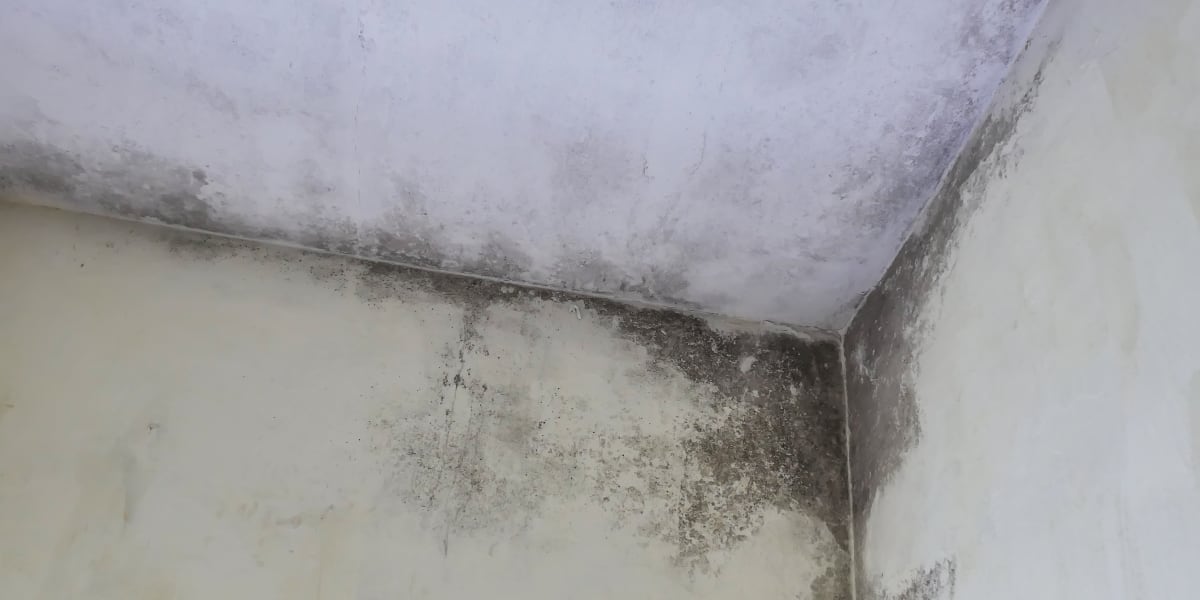
Mold begins growing within 24-48 hours of water damage. Every hour you wait increases the risk and cost. Our same-day HOCl treatment stops mold before it starts— saving you thousands in remediation.
Same-day response available | Serving Athens & 11 surrounding counties
The Critical Timeline
What happens after water damage
Understanding the mold growth timeline helps you act decisively. The sooner you call, the better your outcome.
Mold spores begin to germinate. Water extraction and drying should start immediately. This is your best chance to prevent mold entirely.
Visible mold colonies can start forming on damp surfaces. Wood, drywall and carpet padding become colonized. Prevention treatment still highly effective.
Mold spreads to adjacent materials. Spores become airborne, affecting indoor air quality. Prevention becomes more difficult; remediation may be needed.
Mold penetrates deep into materials. Structural damage begins. Full remediation required, often including material removal and replacement.
Don't wait until it's too late
Call Now: (706) 363-3350Common Causes
Sources of water damage
Any water intrusion can lead to mold. These are the most common causes we treat.
Burst or Leaking Pipes
The most common cause—especially in winter when pipes freeze. Can release hundreds of gallons before discovery.
Storm & Flood Damage
Georgia sees severe storms, hurricanes and flash flooding. Floodwater is particularly dangerous—often contaminated.
Roof Leaks
Damaged shingles, ice dams, or flashing failures let water into attics and walls—often undetected until mold is visible.
Appliance Failures
Water heaters, washing machines, dishwashers and refrigerators can leak or overflow. Often happens when you're away.
HVAC Condensation
Clogged drain lines, frozen coils, and poorly maintained systems create standing water in attics, closets and crawl spaces.
Sewage Backups
The most hazardous type—requires immediate professional response. Contains bacteria, viruses and other pathogens.
What NOT to Do
Common mistakes after water damage
Well-meaning homeowners often make these errors, allowing mold to take hold.
Waiting to see if it dries on its own
Every hour matters. Mold can begin growing within 24 hours. What looks dry on the surface often hides moisture in walls, subfloors and insulation.
Using bleach to prevent mold
Bleach only kills surface mold and doesn't penetrate porous materials. It can also damage surfaces and create toxic fumes in enclosed spaces.
Only drying visible wet areas
Water travels through walls, under floors, and into hidden cavities. Professional moisture detection finds water you can't see.
Running fans without dehumidification
Fans can spread mold spores and push moisture deeper into materials. Proper drying requires industrial dehumidifiers and air movers working together.
Keeping wet carpet and padding
Carpet padding absorbs water like a sponge and almost never dries properly. It becomes a mold incubator hidden under your carpet.
Our Process
How we prevent mold after water damage
Fast response and proven technology stop mold before it starts.
Emergency Response
Same-day response for water damage calls. We assess the situation, identify the water source, and determine the extent of damage.
Moisture Mapping
Professional moisture meters and thermal imaging identify all affected areas—including hidden moisture in walls, floors and ceilings.
HOCl Prevention Treatment
EPA-registered hypochlorous acid application to all affected surfaces. HOCl kills mold spores on contact and creates an antimicrobial barrier that prevents growth.
Drying Coordination
We work with your restoration company or recommend partners for water extraction and drying. Our treatment protects materials during the drying process.
The Math is Simple
Prevention vs. remediation costs
Acting quickly saves thousands. Here's what waiting can cost you.
Prevention treatment (within 48 hours)
No mold, materials saved
Minor remediation (localized mold)
Some material removal
Moderate remediation (spread to multiple areas)
Significant material removal
Major remediation (structural involvement)
Extensive reconstruction
Prevention saves 80-95% compared to waiting until mold requires full remediation.
Call Now for Same-Day ResponseRelated Services
Complete mold protection
Mold Prevention
Proactive prevention for crawl spaces, basements and attics before water damage occurs.
Learn more →Antimicrobial Treatment
EPA-registered HOCl antimicrobial spray for ongoing mold protection.
Learn more →HVAC Sanitization
Prevent mold from spreading through your duct system after water damage.
Learn more →Trusted by Athens Homeowners
Real reviews from families we've helped
Angela T.
"Spray Squad has kept my yard Mosquito free for 3 years and I hope it will be 30 more. They always show up on time and even cover kids toys before spraying (even though it's a natural mixture). You can trust Spray Squad."
Justin H.
"After the first application the difference was night and day. We've spent more time outside than all the previous summers combined."
Haley S.
"This is the best all natural mosquito spray with great customer service! I get to enjoy my yard again!"
Joe Cozart
"Spray Squad is my number one mosquito treatment. One of my favorite things is knowing that it's safe for my family. With three young kids, that peace of mind is invaluable."
Angie P.
"We started with Spray Squad, and that helped tremendously. They were very attentive to our needs and worked with our schedule. Highly recommend!"
Ryan Worsley
"The products are safe for my family and the environment. The dramatic reduction in mosquitoes post-treatment allows for uninterrupted outdoor enjoyment."
April L.
"They do a great job spraying for mosquitoes and other flying pests in our yard!"
Ivey B.
"They get back with you so quickly and are very friendly and focused."
Ron R.
"Outstanding service every time. Professional, punctual and the results speak for themselves. Our backyard is finally usable again!"
Angela T.
"Spray Squad has kept my yard Mosquito free for 3 years and I hope it will be 30 more. They always show up on time and even cover kids toys before spraying (even though it's a natural mixture). You can trust Spray Squad."
Justin H.
"After the first application the difference was night and day. We've spent more time outside than all the previous summers combined."
Haley S.
"This is the best all natural mosquito spray with great customer service! I get to enjoy my yard again!"
Joe Cozart
"Spray Squad is my number one mosquito treatment. One of my favorite things is knowing that it's safe for my family. With three young kids, that peace of mind is invaluable."
Angie P.
"We started with Spray Squad, and that helped tremendously. They were very attentive to our needs and worked with our schedule. Highly recommend!"
Ryan Worsley
"The products are safe for my family and the environment. The dramatic reduction in mosquitoes post-treatment allows for uninterrupted outdoor enjoyment."
April L.
"They do a great job spraying for mosquitoes and other flying pests in our yard!"
Ivey B.
"They get back with you so quickly and are very friendly and focused."
Ron R.
"Outstanding service every time. Professional, punctual and the results speak for themselves. Our backyard is finally usable again!"
Common Questions
Water damage mold prevention FAQs
How quickly does mold grow after water damage?
Mold can begin growing within 24-48 hours of water damage under the right conditions. Within 1-2 weeks, mold can spread extensively and cause structural damage. The first 48 hours are critical for prevention—acting quickly can save thousands in remediation costs.
Can mold be prevented after water damage?
Yes, if you act quickly. Professional mold prevention treatment within 48 hours of water damage is highly effective. Our HOCl treatment kills any mold spores present and creates an antimicrobial barrier that prevents growth during the drying process. The longer you wait, the less effective prevention becomes.
What should I do immediately after water damage?
1) Stop the water source if possible. 2) Call professionals immediately—don't wait. 3) Remove standing water if safe to do so. 4) Don't use fans or disturb wet materials (this can spread spores). 5) Document everything for insurance. 6) Don't enter if there's any chance of contaminated water or electrical hazards.
Is water damage mold covered by insurance?
It depends on the cause. Sudden, accidental water damage (burst pipes, appliance failures) is typically covered. Gradual damage (slow leaks, poor maintenance) and flood damage often require separate coverage. Prevention treatment may be covered as part of mitigation efforts—we provide documentation for insurance claims.
How do I know if mold is growing after water damage?
Early signs include: musty odors (often before visible growth), discoloration on walls or ceilings, peeling paint or wallpaper, warped or soft materials, and increased allergy symptoms. However, mold often grows in hidden areas first. Professional moisture detection and inspection is the only way to know for certain.
Why not just let the area dry completely?
Drying alone doesn't kill mold spores—it just makes them dormant. Spores can remain viable for years and reactivate when moisture returns. Additionally, materials may appear dry on the surface while harboring moisture inside. Our HOCl treatment kills spores and prevents them from growing even if residual moisture exists.
Service Areas
Emergency water damage response near you
Same-day emergency response throughout Athens and Northeast Georgia.
Athens-Clarke
Oglethorpe
Jackson
Hart
Franklin
Barrow
Gwinnett
Oconee
Morgan
Walton
Greene
Water damage won't wait. Neither should you.
Every hour matters when preventing mold after water damage. Our same-day emergency response team is ready to help protect your home.