

Crawl Space Mold Prevention
Stop mold where
it starts—below.
Up to 40% of your home's air comes from the crawl space. Georgia's humidity makes crawl space mold almost inevitable without prevention. Our HOCl treatment eliminates existing mold and prevents regrowth—safely.
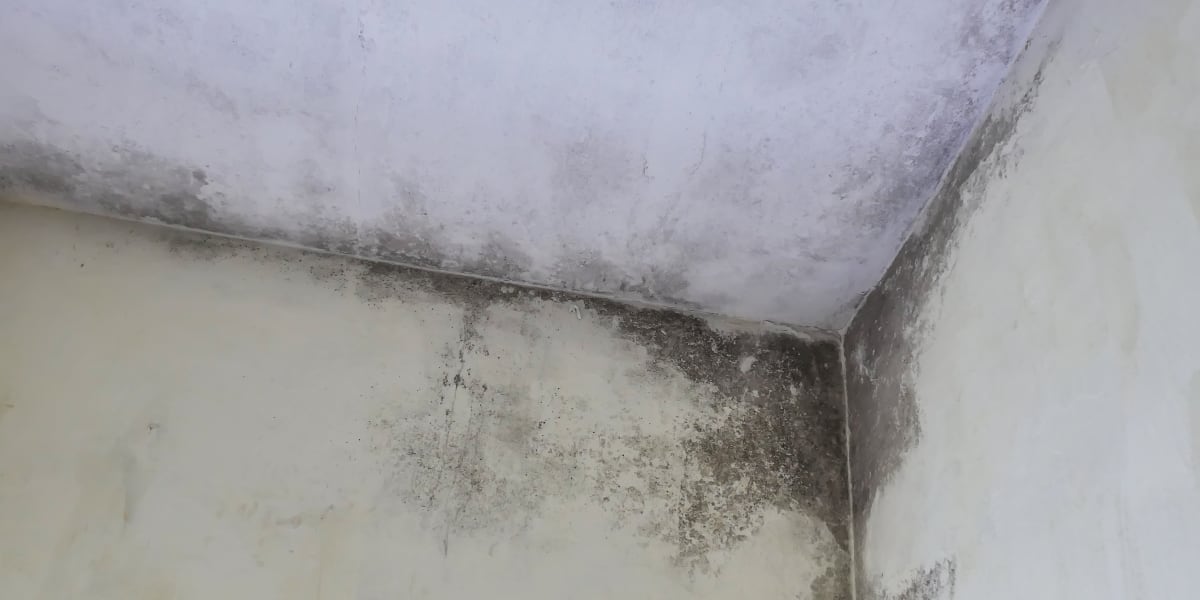
Warning Signs
Signs of crawl space mold problems
Don't wait until mold becomes a crisis. Watch for these warning signs—some can be noticed without ever entering the crawl space.
Musty odor rising through floors
CriticalA damp, earthy smell that permeates your home from below—often the first sign of crawl space mold, even before visible growth appears.
Visible mold on floor joists
CriticalBlack, green, or white fuzzy growth on wooden floor joists, support beams, or the subfloor. Often starts in corners where moisture collects.
Wood rot on structural supports
CriticalSoft, spongy, or crumbling wood on joists and beams indicates advanced mold damage. This compromises structural integrity and requires immediate attention.
Standing water or wet soil
CriticalPuddles, damp dirt, or moisture on the vapor barrier indicate drainage problems that create ideal conditions for mold growth.
Increased allergy symptoms
Unexplained allergies, respiratory issues, or worsening asthma when at home—especially at night—may indicate mold spores rising from below.
Sagging or soft floors
Floors that feel bouncy, soft, or uneven may indicate moisture-damaged subflooring or joists weakened by mold and rot.
Pest infestations
Termites, carpenter ants, and other wood-destroying insects are attracted to damp, mold-damaged wood. Pests often indicate moisture problems.
Notice any of these signs?
Schedule Free InspectionRoot Causes
What causes crawl space mold in Georgia
Georgia's combination of heat, humidity and rainfall creates perfect conditions for crawl space mold. Understanding the causes is the first step to prevention.
High Humidity
Georgia's humid climate regularly pushes crawl space humidity above 70%. Mold begins growing when relative humidity exceeds 60%.
Poor Drainage
Inadequate grading, clogged gutters, or missing downspout extensions allow water to pool around foundations and seep into crawl spaces.
Traditional Vented Design
Older vented crawl spaces pull in humid outdoor air. In Georgia's climate, this actually increases moisture levels rather than reducing them.
Plumbing Leaks
Undetected pipe leaks, condensation on cold water pipes, and HVAC drain line issues provide constant moisture that feeds mold growth.
Missing Vapor Barrier
Bare dirt or damaged vapor barriers allow ground moisture to evaporate directly into the crawl space, dramatically increasing humidity.
High Water Table
Many Georgia properties have seasonal or year-round high water tables that push moisture through foundation walls and floor.
The Stack Effect
Up to 40% of your home's air comes from below
Warm air rises, pulling air up from your crawl space through every crack, gap, and penetration in your floors. If there's mold below, you're breathing it above. This is called the "stack effect"—and it means crawl space mold affects your entire home.
of indoor air originates from crawl space
humidity triggers mold growth
Georgia's ranking for mold risk
Our Process
How crawl space prevention works
We address both existing mold and the moisture conditions that allow it to grow.
Free Crawl Space Inspection
Thorough inspection of all accessible areas for mold growth, moisture sources, ventilation issues, and structural concerns. You'll receive a detailed report with photos.
Moisture Assessment
Professional moisture meters and thermal imaging identify all moisture sources—drainage issues, leaks, condensation and humidity levels. This determines the root cause.
HOCl Treatment Application
EPA-registered hypochlorous acid applied to all surfaces eliminates existing mold and creates an antimicrobial barrier that prevents regrowth.
Prevention Recommendations
Detailed written report with recommendations for long-term moisture control: vapor barrier installation, drainage improvements, dehumidification, or encapsulation referrals.
Why It Matters
Benefits of crawl space prevention
Protect Structural Integrity
Prevent wood rot that weakens floor joists, support beams, and subflooring. Mold damage can cost $10,000+ in structural repairs.
Improve Indoor Air Quality
Up to 40% of indoor air comes from your crawl space. Eliminating mold below means cleaner air throughout your entire home.
Maintain Property Value
Mold issues must be disclosed when selling. Proactive prevention protects your investment and prevents deal-killing inspection findings.
Protect Family Health
Crawl space mold releases spores that rise through floors. Prevention eliminates exposure risks for allergy sufferers and those with respiratory conditions.
Transparent Pricing
Crawl space prevention costs
Prevention is always more affordable than remediation after mold has spread.
Comprehensive crawl space inspection with moisture assessment and written report
Full HOCl treatment based on crawl space size and conditions
Cost of full remediation after extensive mold growth
Prevention saves 70-90% compared to waiting until mold requires full remediation.
Get your free quoteComplete Protection
Whole-home mold prevention
Mold doesn't respect boundaries. For complete protection, consider prevention for all vulnerable areas of your home.
Basement Prevention
Below-grade moisture control and treatment for foundation-level protection.
Learn more →Attic Prevention
Roof ventilation and treatment to prevent mold on sheathing and rafters.
Learn more →HVAC Sanitization
Prevent mold from spreading through your duct system to every room.
Learn more →Trusted by Athens Homeowners
Real reviews from families we've helped
Angela T.
"Spray Squad has kept my yard Mosquito free for 3 years and I hope it will be 30 more. They always show up on time and even cover kids toys before spraying (even though it's a natural mixture). You can trust Spray Squad."
Justin H.
"After the first application the difference was night and day. We've spent more time outside than all the previous summers combined."
Haley S.
"This is the best all natural mosquito spray with great customer service! I get to enjoy my yard again!"
Joe Cozart
"Spray Squad is my number one mosquito treatment. One of my favorite things is knowing that it's safe for my family. With three young kids, that peace of mind is invaluable."
Angie P.
"We started with Spray Squad, and that helped tremendously. They were very attentive to our needs and worked with our schedule. Highly recommend!"
Ryan Worsley
"The products are safe for my family and the environment. The dramatic reduction in mosquitoes post-treatment allows for uninterrupted outdoor enjoyment."
April L.
"They do a great job spraying for mosquitoes and other flying pests in our yard!"
Ivey B.
"They get back with you so quickly and are very friendly and focused."
Ron R.
"Outstanding service every time. Professional, punctual and the results speak for themselves. Our backyard is finally usable again!"
Angela T.
"Spray Squad has kept my yard Mosquito free for 3 years and I hope it will be 30 more. They always show up on time and even cover kids toys before spraying (even though it's a natural mixture). You can trust Spray Squad."
Justin H.
"After the first application the difference was night and day. We've spent more time outside than all the previous summers combined."
Haley S.
"This is the best all natural mosquito spray with great customer service! I get to enjoy my yard again!"
Joe Cozart
"Spray Squad is my number one mosquito treatment. One of my favorite things is knowing that it's safe for my family. With three young kids, that peace of mind is invaluable."
Angie P.
"We started with Spray Squad, and that helped tremendously. They were very attentive to our needs and worked with our schedule. Highly recommend!"
Ryan Worsley
"The products are safe for my family and the environment. The dramatic reduction in mosquitoes post-treatment allows for uninterrupted outdoor enjoyment."
April L.
"They do a great job spraying for mosquitoes and other flying pests in our yard!"
Ivey B.
"They get back with you so quickly and are very friendly and focused."
Ron R.
"Outstanding service every time. Professional, punctual and the results speak for themselves. Our backyard is finally usable again!"
Common Questions
Crawl space mold prevention FAQs
How much does crawl space mold prevention cost?
Crawl space mold prevention treatment typically ranges from $500-1,500 depending on crawl space size and existing conditions. This is far less than the $3,000-10,000+ cost of full remediation after mold has spread extensively. We offer free inspections and detailed quotes before any work begins.
Is white mold in crawl space dangerous?
Yes. While white mold (often Penicillium or Aspergillus species) may look less alarming than black mold, it produces the same health hazards. All mold releases spores and mycotoxins that can trigger allergies, asthma attacks, and respiratory issues. White mold in crawl spaces often indicates high humidity that will lead to more serious problems.
How often should crawl space mold prevention be done?
In Georgia's humid climate, we recommend preventive HOCl treatments every 3-6 months for optimal protection. Homes with history of moisture issues or older construction may benefit from quarterly treatments. Annual treatments can be sufficient for newer homes with good moisture control systems.
What causes mold in crawl spaces?
The primary cause is excess moisture from: poor drainage around foundations, high groundwater, humid outdoor air entering vented crawl spaces, plumbing leaks, HVAC condensation, and inadequate vapor barriers. Georgia's climate makes crawl space mold nearly inevitable without proactive prevention measures.
Can I treat crawl space mold myself?
DIY mold treatment is not recommended. Crawl spaces are confined spaces with poor air quality, and disturbing mold releases massive amounts of spores. Most DIY products (like bleach) only treat surface mold and can actually make problems worse. Professional HOCl treatment penetrates porous materials and kills mold at its source safely.
Will mold come back after treatment?
If moisture issues aren't addressed, mold can return. That's why our service includes moisture source identification and prevention recommendations. Our HOCl treatments not only kill existing mold but also help prevent regrowth when combined with proper moisture control.
Service Areas
Crawl space mold prevention near you
Free crawl space inspections throughout Athens and Northeast Georgia.
Athens-Clarke
Oglethorpe
Jackson
Hart
Franklin
Barrow
Gwinnett
Oconee
Morgan
Walton
Greene
Don't wait for mold to become a crisis
Georgia's humidity makes crawl space mold almost inevitable without prevention. Our free inspection catches problems early—before they become expensive repairs.