

Attic Mold Prevention
Protect your roof
from the inside out.
Your attic is out of sight—but mold up there affects every room below. Poor ventilation traps moisture that destroys sheathing, rafters, and insulation. Prevention costs a fraction of the repairs.
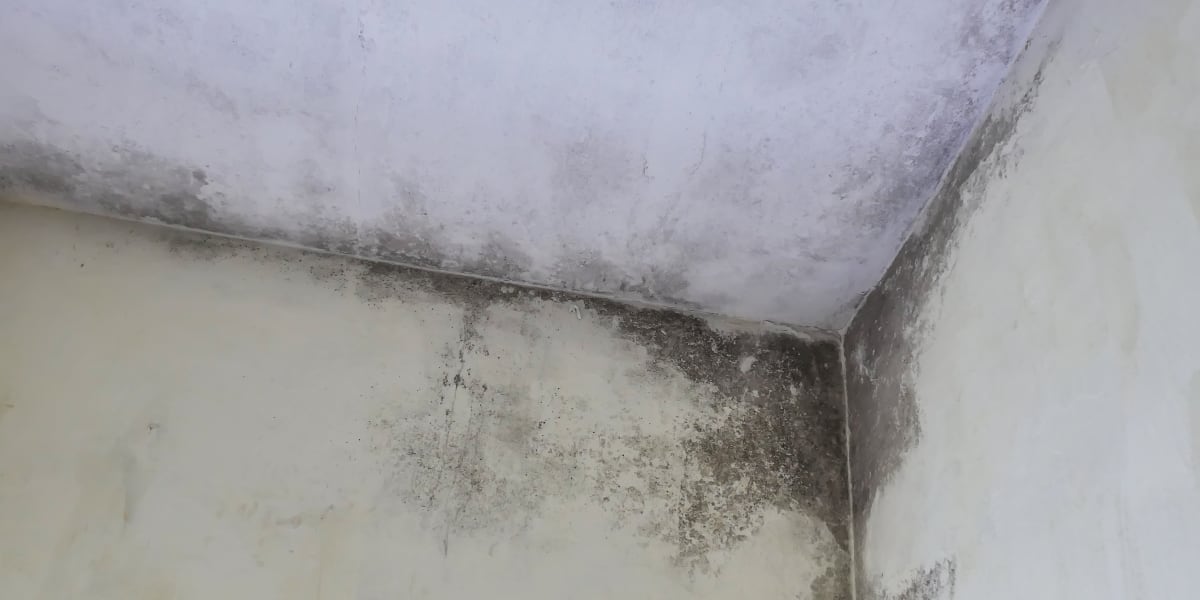
Warning Signs
Signs of attic mold problems
Most homeowners never enter their attic. These warning signs can often be spotted without a ladder—or indicate it's time for a professional inspection.
Musty odor in attic
CriticalA damp, earthy smell when you enter the attic space—often the first indicator of hidden mold growth on roof sheathing or rafters.
Dark staining on wood
CriticalBlack, gray, or green discoloration on rafters, roof sheathing, or attic floor joists indicates active or past mold growth.
Frost on nail tips
CriticalIn winter, frost forming on nail heads protruding through roof sheathing signals excessive moisture—a precursor to mold.
Extremely hot attic
An attic significantly hotter than outside temperature indicates poor ventilation, trapping moisture and creating mold conditions.
Peeling exterior paint
Paint peeling on soffits, fascia, or near roofline often indicates moisture escaping from an inadequately ventilated attic.
Higher energy bills
Sudden increases in heating/cooling costs may indicate compromised attic insulation from moisture damage or mold growth.
Notice any of these signs?
Schedule Free Attic InspectionRoot Causes
What causes attic mold
Understanding the cause is essential for effective prevention. Most attic mold stems from moisture problems—not just water leaks.
Poor Roof Ventilation
Inadequate soffit, ridge, or gable vents trap warm, moist air in the attic. This is the #1 cause of attic mold in Georgia homes.
Exhaust Fans Venting Into Attic
Bathroom and kitchen exhaust fans incorrectly routed into the attic instead of outside pump moisture directly where it shouldn't go.
Roof Leaks
Even small roof leaks from damaged shingles, flashing, or ice dams introduce water directly onto wood surfaces where mold thrives.
Blocked Soffit Vents
Insulation pushed against soffit vents blocks airflow. This common mistake during insulation upgrades creates moisture traps.
Insufficient Insulation
Inadequate attic floor insulation allows warm, humid air from living spaces to rise into the cold attic, causing condensation.
HVAC in Attic
Air handlers or ductwork in unconditioned attics can create condensation points, especially if poorly insulated or leaking.
Our Process
How attic prevention works
We address both existing mold and the conditions that allow it to grow.
Attic Inspection
Thorough inspection of roof sheathing, rafters, insulation and ventilation systems. We identify existing mold and moisture sources.
Ventilation Assessment
We evaluate soffit vents, ridge vents, gable vents, and exhaust routing. Poor ventilation is the root cause of most attic mold.
HOCl Treatment
EPA-registered hypochlorous acid application to all affected surfaces. HOCl kills mold spores and creates a protective antimicrobial barrier.
Prevention Recommendations
Detailed report with specific recommendations: ventilation improvements, exhaust fan rerouting, insulation adjustments, or roof repairs.
Why It Matters
Benefits of attic prevention
Protect Roof Structure
Mold weakens roof sheathing and rafters. Prevention avoids costly structural repairs that can exceed $10,000.
Improve Air Quality
Attic mold spores migrate into living spaces through ceiling penetrations, HVAC systems, and air leaks.
Preserve Insulation
Mold-damaged insulation loses R-value and must be replaced. Prevention keeps your insulation effective.
Maintain Home Value
Attic mold must be disclosed when selling. Prevention protects your investment and avoids deal-killing inspection findings.
Complete Protection
Whole-home mold prevention
Mold doesn't respect boundaries. For complete protection, consider prevention for all vulnerable areas of your home.
Basement Prevention
Below-grade moisture control and treatment for foundation-level protection.
Learn more →Crawl Space Prevention
Vapor barriers, ventilation and antimicrobial treatment for your home's foundation.
Learn more →HVAC Sanitization
Prevent mold from spreading through your duct system to every room.
Learn more →Trusted by Athens Homeowners
Real reviews from families we've helped
Angela T.
"Spray Squad has kept my yard Mosquito free for 3 years and I hope it will be 30 more. They always show up on time and even cover kids toys before spraying (even though it's a natural mixture). You can trust Spray Squad."
Justin H.
"After the first application the difference was night and day. We've spent more time outside than all the previous summers combined."
Haley S.
"This is the best all natural mosquito spray with great customer service! I get to enjoy my yard again!"
Joe Cozart
"Spray Squad is my number one mosquito treatment. One of my favorite things is knowing that it's safe for my family. With three young kids, that peace of mind is invaluable."
Angie P.
"We started with Spray Squad, and that helped tremendously. They were very attentive to our needs and worked with our schedule. Highly recommend!"
Ryan Worsley
"The products are safe for my family and the environment. The dramatic reduction in mosquitoes post-treatment allows for uninterrupted outdoor enjoyment."
April L.
"They do a great job spraying for mosquitoes and other flying pests in our yard!"
Ivey B.
"They get back with you so quickly and are very friendly and focused."
Ron R.
"Outstanding service every time. Professional, punctual and the results speak for themselves. Our backyard is finally usable again!"
Angela T.
"Spray Squad has kept my yard Mosquito free for 3 years and I hope it will be 30 more. They always show up on time and even cover kids toys before spraying (even though it's a natural mixture). You can trust Spray Squad."
Justin H.
"After the first application the difference was night and day. We've spent more time outside than all the previous summers combined."
Haley S.
"This is the best all natural mosquito spray with great customer service! I get to enjoy my yard again!"
Joe Cozart
"Spray Squad is my number one mosquito treatment. One of my favorite things is knowing that it's safe for my family. With three young kids, that peace of mind is invaluable."
Angie P.
"We started with Spray Squad, and that helped tremendously. They were very attentive to our needs and worked with our schedule. Highly recommend!"
Ryan Worsley
"The products are safe for my family and the environment. The dramatic reduction in mosquitoes post-treatment allows for uninterrupted outdoor enjoyment."
April L.
"They do a great job spraying for mosquitoes and other flying pests in our yard!"
Ivey B.
"They get back with you so quickly and are very friendly and focused."
Ron R.
"Outstanding service every time. Professional, punctual and the results speak for themselves. Our backyard is finally usable again!"
Common Questions
Attic mold prevention FAQs
How do I know if I have mold in my attic?
The most common signs are a musty odor when entering the attic, dark staining on roof sheathing or rafters, and frost on nail tips in winter. If your attic feels unusually hot in summer or you've noticed peeling paint on exterior soffits, these are also indicators of moisture problems that lead to mold.
What causes attic mold in Georgia homes?
The #1 cause is inadequate roof ventilation—when soffit and ridge vents can't move enough air, moisture gets trapped. Other common causes include bathroom/kitchen exhaust fans venting into the attic instead of outside, roof leaks, blocked soffit vents from insulation, and HVAC equipment in unconditioned attic spaces.
Can I treat attic mold myself?
Small areas of surface mold can sometimes be cleaned, but attic mold usually indicates a systemic moisture problem that requires professional diagnosis. DIY cleaning addresses symptoms, not causes. Without fixing ventilation or moisture sources, mold returns quickly. Our treatment includes both elimination and prevention.
How does poor ventilation cause attic mold?
Warm, humid air naturally rises. Without proper ventilation (soffit vents bringing cool air in, ridge/gable vents letting warm air out), moisture gets trapped. In winter, this warm air hits cold roof sheathing and condenses—creating the wet environment mold needs. In summer, trapped heat accelerates mold growth.
Will attic mold spread to the rest of my house?
Yes. Mold spores are microscopic and travel easily. They migrate through ceiling light fixtures, attic access doors, HVAC returns in the attic, and any gaps in the ceiling. Many homeowners experience increased allergy symptoms before ever seeing visible mold in their attic.
How much does attic mold prevention cost?
Prevention treatment typically runs $300-600 depending on attic size—far less than remediation ($2,000-8,000) or structural repairs ($5,000-15,000+). We also provide specific recommendations for ventilation improvements that address root causes, which may involve additional contractors for roof work.
Service Areas
Attic mold prevention near you
Free attic inspections throughout Athens and Northeast Georgia.
Athens-Clarke
Oglethorpe
Jackson
Hart
Franklin
Barrow
Gwinnett
Oconee
Morgan
Walton
Greene
Don't wait for visible damage
By the time you see attic mold, structural damage is often underway. Our free inspection catches problems early—before they become expensive repairs.