

HVAC Mold Warning Signs
Is mold hiding in
your HVAC system?
HVAC mold spreads spores through every room, every time your system runs. Learn the warning signs so you can catch it early—before it affects your family's health.
Self-Assessment
7 warning signs of HVAC mold
If you notice two or more of these signs, your HVAC system likely has a mold problem that requires professional attention.
Musty odor when AC runs
CriticalA damp, earthy smell that appears within minutes of turning on your system is the most common indicator of HVAC mold.
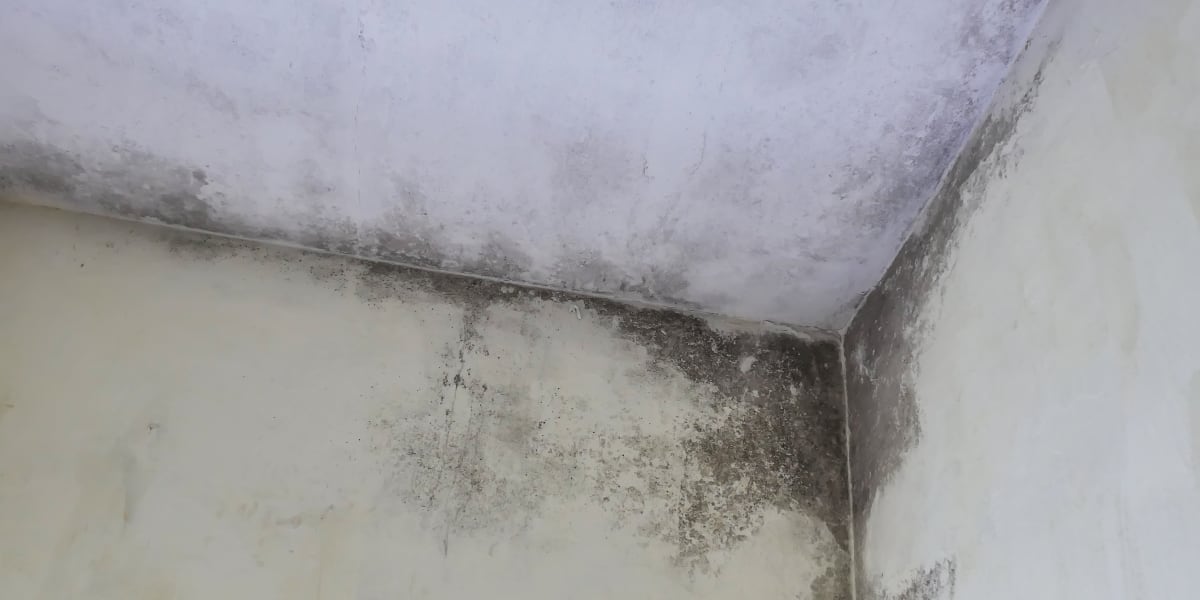
Visible black spots around vents
CriticalDark spots, discoloration, or fuzzy growth on or around your supply and return vents often indicates mold has spread to visible surfaces.
Allergy symptoms worsen indoors
CriticalSneezing, watery eyes, congestion, or itchy throat that improves when you leave home suggests airborne mold spores from your HVAC.
Respiratory issues or headaches
CriticalPersistent coughing, difficulty breathing, sinus pressure, or unexplained headaches that occur primarily at home.
Excessive dust despite cleaning
Dust that returns quickly after cleaning may actually contain mold spores being circulated through your duct system.
Moisture or condensation around vents
Water droplets or staining around registers indicates excess humidity—the primary condition that allows mold to thrive.
AC not cooling efficiently
Mold buildup on evaporator coils and in ducts restricts airflow, making your system work harder and cool less effectively.
Notice any of these signs?
Schedule Free HVAC InspectionWhy It Matters
How HVAC mold affects your health
Unlike visible mold, HVAC mold reaches every room through your air system. These symptoms often improve when you leave home and return when you're back.
Respiratory Symptoms
- Chronic coughing
- Wheezing
- Shortness of breath
- Worsening asthma
Allergic Symptoms
- Sneezing
- Runny nose
- Watery eyes
- Skin irritation
Neurological Symptoms
- Headaches
- Brain fog
- Fatigue
- Difficulty concentrating
High-risk groups
Children, elderly, pregnant women, and anyone with asthma, allergies, or compromised immune systems are especially vulnerable to HVAC mold exposure. Symptoms may be more severe and long-lasting in these groups.
Understanding the Problem
What causes mold in HVAC systems
Mold needs three things: moisture, darkness and organic material. Your HVAC system provides all three.
Condensation on coils
Your evaporator coils get cold and collect moisture—perfect for mold growth if not draining properly.
Clogged drain lines
Blocked condensate drains allow water to pool in drip pans, creating standing water where mold thrives.
High humidity
Georgia's humid climate means more moisture in your ducts. Indoor humidity above 50% significantly increases mold risk.
Dirty filters
Clogged filters restrict airflow, causing moisture to build up on coils and creating conditions for mold.
Oversized AC unit
Systems that are too large cool quickly but don't run long enough to remove humidity, leaving excess moisture behind.
Poor ventilation
Inadequate airflow in ductwork allows moisture to stagnate, particularly in hidden areas and duct connections.
When to call a professional
Musty odor that won't go away
Even after changing filters, the smell persists when your system runs.
Visible mold around vents
If you can see it on vents, there's much more inside your ductwork.
Health symptoms in multiple family members
When the whole household has respiratory or allergy issues at home.
Recent water damage or flooding
Mold can begin growing in HVAC systems within 48 hours of water events.
The Spray Squad Solution
Professional HVAC mold treatment
If you've identified warning signs, the next step is professional treatment. Our EPA-registered HOCl fogging reaches mold where traditional duct cleaning can't.
- Free comprehensive HVAC inspection
- EPA-registered treatment that kills mold on contact
- Reaches inside coils, ducts and air handlers
- Safe for family—1-hour re-entry time
- Prevents regrowth with residual protection

1hr
Re-entry time
100%
Coverage
0
Toxic residue
Common Questions
HVAC mold FAQs
What does HVAC mold smell like?
HVAC mold typically produces a musty, damp, earthy odor—often described as smelling like wet socks or a damp basement. The smell usually appears within a few minutes of turning on your system and may be stronger near certain vents.
Can I see mold in my HVAC system?
Sometimes. Visible signs include black or dark spots around vents, discoloration on registers, or fuzzy growth on accessible ductwork. However, most HVAC mold grows inside ducts, on evaporator coils, and in the air handler where you can't see it. A professional inspection is the only way to know for certain.
Can mold in air ducts make you sick?
Yes. Unlike localized mold, HVAC mold spreads spores throughout your entire home every time the system runs. This continuous exposure can cause respiratory problems, allergic reactions, headaches and fatigue—especially in children, elderly and immunocompromised individuals.
How quickly does mold grow in HVAC systems?
Under the right conditions (darkness, moisture, organic material), mold can begin growing within 24-48 hours. Georgia's humid climate accelerates this process. By the time you notice signs like musty odors, mold has often been growing for weeks or months.
Should I turn off my AC if I suspect mold?
If you notice strong musty odors or visible mold, it's wise to minimize system use until inspection. Every cycle spreads more spores. However, in Georgia's heat, completely turning off AC may increase humidity and worsen the problem. Use sparingly and schedule a professional inspection quickly.
Can I clean HVAC mold myself?
Surface mold on accessible vents can be cleaned, but DIY treatment of HVAC mold is generally ineffective and potentially dangerous. Mold inside ducts, on coils, and in the air handler requires professional equipment and EPA-registered antimicrobials to fully eliminate—not just clean the surfaces.
Service Areas
HVAC mold inspection near you
Free HVAC mold inspections throughout Athens and Northeast Georgia.
Athens-Clarke
Oglethorpe
Jackson
Hart
Franklin
Barrow
Gwinnett
Oconee
Morgan
Walton
Greene
Don't ignore the warning signs
HVAC mold spreads with every cycle. Our free inspection identifies the problem—treatment can begin the same day.